
Contents
- 1 Why Easy Website Improvements Matter More Than Major Redesigns
- 2 Why These Improvements Change How Users Feel
- 3 How Engagement Builds Long Term Website Value
- 4 Why Small Improvements Outperform Big Changes
- 5 Why Engagement Should Be Continuously Optimized
- 6 How Easy Website Improvements Shape User Decisions and On Site Behavior
- 6.1 Why First Interaction Sets the Engagement Tone
- 6.2 How Content Positioning Influences Reading Patterns
- 6.3 Reducing Friction at Every Interaction Point
- 6.4 Why Predictability Builds Confidence
- 6.5 How Micro Decisions Influence Engagement Depth
- 6.6 The Role of Visual Balance in Engagement
- 6.7 Why Clarity Outperforms Creativity
- 6.8 How Navigation Flow Affects Session Duration
- 6.9 Why Users Prefer Guided Experiences
- 6.10 How Interaction Feedback Reinforces Engagement
- 6.11 Why Consistency Across Pages Matters
- 6.12 The Connection Between Engagement and Trust
- 6.13 How Engagement Supports Business Goals
- 6.14 Why Continuous Testing Improves Engagement
- 6.15 How Small Improvements Compound Over Time
- 6.16 Why Engagement Is a Long Term Strategy
- 7 FAQs, Real World Learnings, and Long Term Value of Easy Website Improvements
- 7.1 How soon do users respond to engagement improvements
- 7.2 Why some improvements feel slow at first
- 7.3 What engagement metrics matter most
- 7.4 How engagement improvements affect conversion quality
- 7.5 Why engagement improves brand trust
- 7.6 Do these improvements help SEO indirectly
- 7.7 Why small improvements outperform full redesigns
- 7.8 How mobile behavior changes engagement patterns
- 7.9 Why consistency is critical for long term engagement
- 7.10 How engagement improvements support business growth
- 7.11 Why engagement should be reviewed continuously
- 7.12 What is the most common engagement mistake
- 7.13 How long term engagement compounds results
- 7.14 Why engagement is a mindset, not a task
- 8 Conclusion
Why Easy Website Improvements Matter More Than Major Redesigns
Many businesses believe improving user engagement requires a complete website redesign. In reality, Easy Website Improvements often deliver stronger results than large scale changes. Engagement problems usually come from small usability issues that frustrate visitors silently. When users struggle to understand content, find information, or take action, they leave quickly. Digital marketing professionals like Karan frequently observe that fixing these small gaps creates immediate improvement in how users interact with a website.
User engagement is not about how attractive a website looks. It is about how easy it feels to use. When visitors feel comfortable, they stay longer, explore more pages, and interact naturally. Easy Website Improvements focus on removing confusion and friction rather than adding complexity. These improvements help websites feel intuitive instead of overwhelming.
Below are five completely new engagement focused improvements that any website can apply without changing its entire structure.
1. Make Website Messaging Instantly Clear
One of the most overlooked Easy Website Improvements is clarifying website messaging. Many websites lose engagement because visitors do not understand what the business does within the first few seconds.
Clear messaging answers three questions immediately:
• What does this website offer
• Who is it for
• What problem does it solve
When messaging is vague, users hesitate. Hesitation leads to exits.
Improving messaging includes:
• Writing clear headlines
• Removing jargon
• Highlighting benefits instead of features
• Keeping language simple
Karan often recommends testing homepage messaging by asking a first time visitor to explain the site after five seconds. If they struggle, engagement suffers.
Clear messaging builds confidence and encourages users to explore further.
2. Reduce Visual Clutter to Improve Focus
Visual overload is a major reason users disengage. One powerful Easy Website Improvements strategy is reducing clutter so users can focus on what matters.
Too many colors, fonts, banners, and elements compete for attention. When everything looks important, nothing feels important.
Reducing clutter involves:
• Limiting color usage
• Using consistent fonts
• Removing unnecessary sections
• Creating visual breathing space
Karan frequently improves engagement simply by removing elements instead of adding new ones. Simplicity helps users process information faster.
A clean layout guides attention naturally and reduces mental fatigue.
3. Improve Scrolling Experience for Long Pages
Many users scroll rather than click. One underrated Easy Website Improvements technique is optimizing the scrolling experience.
Poor scrolling experience causes users to abandon pages early.
Improving scrolling includes:
• Logical content flow
• Section breaks
• Visual separators
• Clear progression
Users should feel guided as they scroll. Each section should naturally lead to the next.
Karan often structures pages so users feel curiosity instead of exhaustion while scrolling. Smooth scrolling increases time on page and engagement depth.
4. Use Trust Signals at the Right Moments
Trust influences engagement decisions. One strategic Easy Website Improvements method is placing trust signals where users naturally pause or hesitate.
Trust signals include:
• Testimonials
• Reviews
• Certifications
• Client logos
The placement matters more than quantity. Trust signals should support decisions, not distract from content.
Karan places trust elements near CTAs or after important explanations to reassure users at critical moments.
Proper trust placement increases interaction and reduces hesitation.
5. Improve Interaction Feedback to Feel Responsive
Users expect websites to respond to their actions. One subtle but impactful Easy Website Improvements approach is improving interaction feedback.
Interaction feedback includes:
• Button hover effects
• Loading indicators
• Form confirmations
• Visual responses
When users receive feedback, the website feels alive and responsive. Lack of feedback creates uncertainty.
Karan often enhances engagement by improving feedback without changing core design. Small responses reassure users and encourage further interaction.
Why These Improvements Change How Users Feel
Easy Website Improvements work because they influence emotion and comfort. Users do not consciously analyze usability. They feel it. When a website feels easy, they stay. When it feels confusing, they leave.
These improvements help websites:
• Build confidence
• Reduce frustration
• Improve focus
• Encourage exploration
Karan believes engagement improves fastest when websites focus on how users feel, not just how they look.
How Engagement Builds Long Term Website Value
Engaged users trust brands more. They return, recommend, and convert. Easy Website Improvements create positive experiences that compound over time.
Long term benefits include:
• Higher repeat visits
• Stronger brand recall
• Better lead quality
• Improved conversion potential
Karan often explains that engagement is the foundation of all digital success.
Why Small Improvements Outperform Big Changes
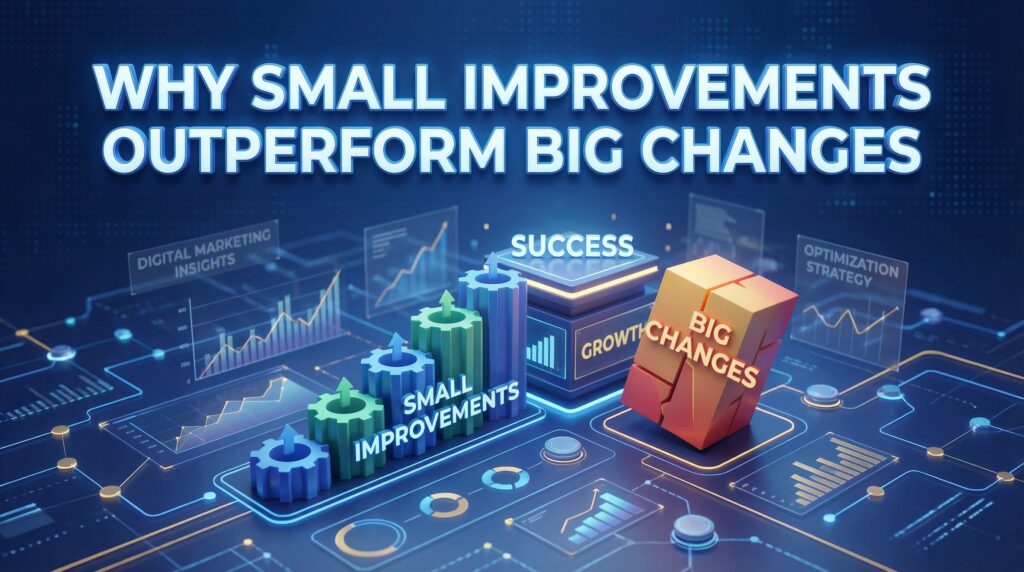
Large redesigns can disrupt user behavior. Easy Website Improvements refine existing experiences instead of replacing them.
Small improvements:
• Preserve familiarity
• Reduce risk
• Deliver faster results
• Cost less
Karan recommends optimizing before redesigning because most engagement problems come from usability gaps, not design flaws.
Why Engagement Should Be Continuously Optimized
User behavior changes. Expectations evolve. Easy Website Improvements should be ongoing.
Continuous optimization ensures:
• Relevance stays high
• Experience stays smooth
• Engagement does not drop
Karan treats engagement as a process, not a one time task.
How Easy Website Improvements Shape User Decisions and On Site Behavior
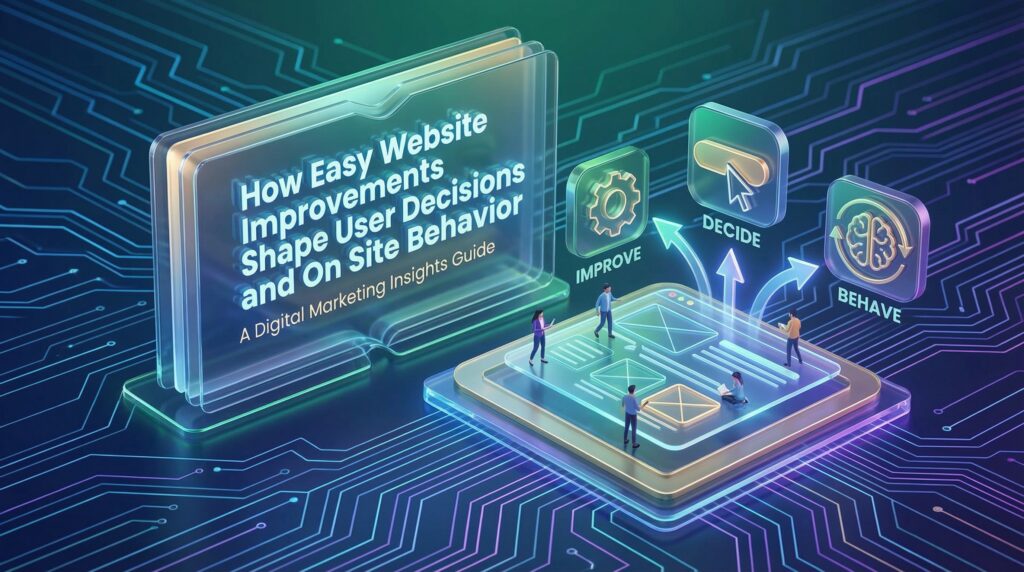
User engagement is not random. Every scroll, click, pause, or exit is influenced by how a website makes a visitor feel. Easy Website Improvements directly shape these micro decisions by reducing friction and increasing clarity at each stage of the browsing journey. Many websites lose users not because of poor content, but because small usability gaps interrupt the flow. Digital marketing professionals like Karan often explain that engagement is a byproduct of thoughtful experience design.
When a visitor lands on a website, they subconsciously evaluate comfort, effort, and trust. If the site feels demanding, confusing, or slow, users disengage quickly. Easy Website Improvements focus on aligning website behavior with user expectations so interaction feels natural rather than forced.
Why First Interaction Sets the Engagement Tone
The first few moments on a website determine how users behave afterward. Easy Website Improvements help create positive first impressions that influence the rest of the session.
First interaction is shaped by:
• Visual clarity
• Content positioning
• Ease of understanding
• Perceived effort
When users feel oriented quickly, they are more willing to explore. Karan often observes that improving above the fold clarity alone increases engagement significantly.
How Content Positioning Influences Reading Patterns
Users do not consume content in a straight line. They follow visual cues and content placement. Easy Website Improvements often focus on positioning key content where users naturally look.
Effective positioning includes:
• Placing key messages early
• Breaking content into logical sections
• Highlighting important points visually
When content is positioned well, users move through the page smoothly instead of skipping sections. Karan structures content to match natural eye movement patterns.
Reducing Friction at Every Interaction Point
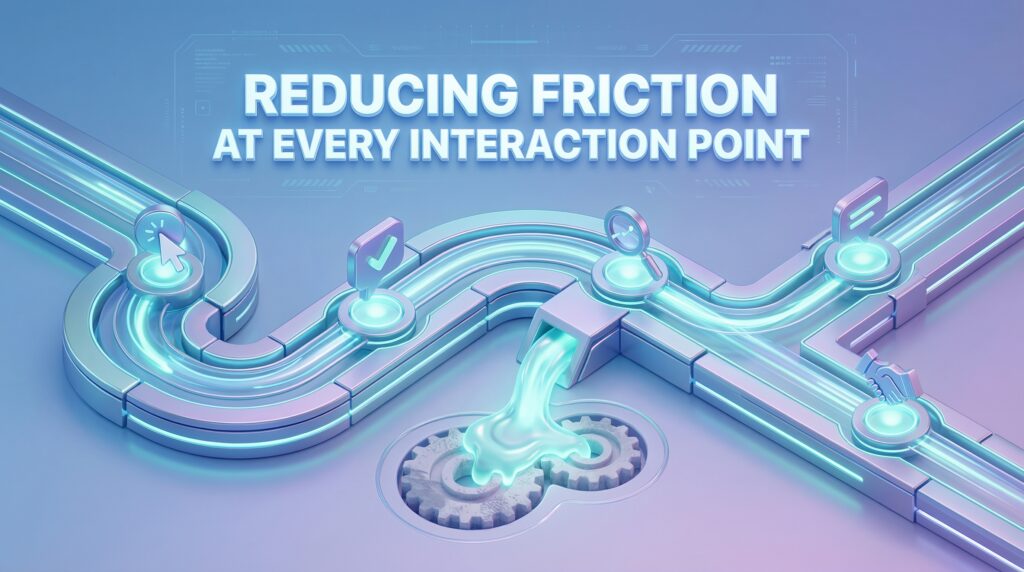
Friction occurs when users have to think too much. Easy Website Improvements aim to reduce friction across the site.
Common friction points include:
• Unclear labels
• Unexpected layouts
• Hidden actions
• Overloaded sections
Reducing friction helps users stay focused on content rather than mechanics. Karan frequently identifies friction during usability reviews and removes it to improve engagement.
Why Predictability Builds Confidence
Predictability makes users comfortable. Easy Website Improvements often focus on making interactions predictable so users feel in control.
Predictability includes:
• Consistent button styles
• Familiar navigation patterns
• Uniform page layouts
When users know what to expect, they interact more freely. Karan believes predictable design reduces hesitation and increases exploration.
How Micro Decisions Influence Engagement Depth
Every user action is a micro decision. Easy Website Improvements support positive micro decisions that encourage continued browsing.
Examples include:
• Clear next steps
• Logical transitions
• Visible progress
When micro decisions feel easy, users stay engaged longer. Karan often optimizes micro interactions to guide users gently.
The Role of Visual Balance in Engagement
Visual balance affects comfort. Easy Website Improvements include balancing text, images, and white space.
Balanced pages:
• Reduce eye strain
• Improve focus
• Increase readability
Karan frequently adjusts spacing and alignment to improve how users feel while reading.
Why Clarity Outperforms Creativity
Creativity attracts attention, but clarity sustains engagement. Easy Website Improvements prioritize clarity over experimental design.
Clear websites:
• Communicate faster
• Reduce confusion
• Encourage action
Karan often advises businesses to simplify creative elements if they interfere with understanding.
Navigation flow determines how long users stay. Easy Website Improvements focus on guiding users naturally from one page to another.
Strong navigation flow includes:
• Logical page sequencing
• Relevant internal links
• Clear pathways
Karan structures navigation to support exploration instead of dead ends.
Why Users Prefer Guided Experiences
Users prefer guidance over freedom. Easy Website Improvements provide subtle guidance without restricting choice.
Guided experiences include:
• Suggested next actions
• Clear section transitions
• Visual cues
When users feel guided, they interact more confidently. Karan designs experiences that feel supportive, not controlling.
How Interaction Feedback Reinforces Engagement
Feedback reassures users that actions are registered. Easy Website Improvements refine feedback mechanisms.
Feedback includes:
• Visual responses
• Confirmation messages
• Progress indicators
Karan enhances engagement by ensuring users never wonder whether an action worked.
Why Consistency Across Pages Matters
Inconsistency disrupts engagement. Easy Website Improvements maintain consistency across all pages.
Consistency improves:
• Familiarity
• Trust
• Ease of use
Karan often aligns fonts, colors, and layouts to maintain continuity.
The Connection Between Engagement and Trust
Engagement builds trust, and trust builds engagement. Easy Website Improvements strengthen this cycle.
Trust grows when websites feel:
• Reliable
• Transparent
• User friendly
Karan places trust reinforcing elements strategically to support interaction.
How Engagement Supports Business Goals
Engaged users are more likely to convert, return, and recommend. Easy Website Improvements align user behavior with business objectives.
Improved engagement leads to:
• Higher quality leads
• Better conversions
• Stronger brand loyalty
Karan explains that engagement is the bridge between traffic and results.
Why Continuous Testing Improves Engagement
User behavior changes. Easy Website Improvements should be tested and refined regularly.
Testing helps:
• Identify new friction points
• Validate improvements
• Adapt to user needs
Karan often runs small tests to measure engagement impact before scaling changes.
How Small Improvements Compound Over Time
Each improvement builds on the previous one. Easy Website Improvements compound into strong long term engagement.
Compounding effects include:
• Increased familiarity
• Higher return visits
• Deeper interaction
Karan believes steady optimization outperforms sudden overhauls.
Why Engagement Is a Long Term Strategy
Engagement is not a one time fix. Easy Website Improvements should evolve with users.
Long term engagement ensures:
• Sustainable growth
• Strong brand perception
• Consistent performance
Karan treats engagement as an ongoing discipline rather than a project.
FAQs, Real World Learnings, and Long Term Value of Easy Website Improvements

When businesses start applying Easy Website Improvements, many questions come up after the initial changes are live. Engagement does not always improve overnight, and that often creates confusion. Understanding how users react over time, what to track, and how to refine improvements helps businesses stay consistent instead of abandoning efforts too early. Professionals like Karan frequently guide brands through this stage where patience and observation matter most.
This section answers common questions, shares practical insights, and explains why engagement focused improvements continue delivering value long after implementation.
How soon do users respond to engagement improvements
User response depends on the type of improvement made. Changes related to clarity, readability, and speed usually show results faster. Metrics like time on page and scroll depth often improve within weeks.
Deeper engagement such as repeat visits and increased interaction across pages takes longer. Easy Website Improvements work gradually because they influence habits, not just clicks. Karan advises businesses to observe patterns over several weeks instead of reacting to short term fluctuations.
Why some improvements feel slow at first
Not all improvements produce immediate visible results. Some Easy Website Improvements improve comfort rather than action. Comfort leads to trust, and trust leads to engagement.
Examples of slow burn improvements include:
• Better content structure
• Consistent design patterns
• Improved mobile usability
Karan explains that these changes often show their value through reduced bounce rates and longer sessions over time rather than instant spikes.
What engagement metrics matter most
Tracking the right metrics helps understand whether Easy Website Improvements are working. Vanity metrics like traffic volume do not reflect engagement quality.
Key engagement metrics include:
• Time spent on pages
• Pages viewed per session
• Scroll depth
• Returning visitor rate
Karan recommends reviewing these metrics monthly to spot meaningful trends instead of daily changes that can be misleading.
How engagement improvements affect conversion quality
Higher engagement usually leads to better conversion quality. Users who explore more pages understand the brand better before taking action.
Easy Website Improvements help filter casual visitors and attract users who are genuinely interested. This results in:
• Better enquiry quality
• Higher intent leads
• More informed customers
Karan often notes that fewer but more engaged users outperform large volumes of low intent traffic.
Why engagement improves brand trust
Trust grows when users feel comfortable and confident. Easy Website Improvements reduce confusion and frustration, which are common trust breakers.
Trust building elements include:
• Clear information
• Predictable navigation
• Smooth interactions
Karan believes that trust is built silently through experience, not messaging.
Do these improvements help SEO indirectly
Yes. Search engines observe how users interact with websites. Easy Website Improvements improve engagement signals that search engines interpret positively.
Improved engagement supports:
• Longer dwell time
• Lower bounce rates
• Higher relevance signals
Karan often reminds businesses that SEO and engagement are interconnected, even when improvements are not made specifically for rankings.
Why small improvements outperform full redesigns
Large redesigns often disrupt familiarity. Easy Website Improvements refine existing experiences instead of replacing them completely.
Small improvements:
• Preserve user habits
• Reduce learning curves
• Lower risk
Karan frequently recommends optimizing before redesigning because most engagement issues come from usability gaps rather than design flaws.
How mobile behavior changes engagement patterns
Mobile users behave differently. They scroll faster, skim more, and expect instant clarity. Easy Website Improvements often prioritize mobile experience because it directly affects engagement.
Mobile focused improvements include:
• Shorter content sections
• Clear visual hierarchy
• Easy tap interactions
Karan tests improvements on real mobile devices to understand actual user behavior rather than relying only on analytics.
Why consistency is critical for long term engagement
Consistency creates familiarity. Easy Website Improvements emphasize maintaining similar layouts, tones, and interactions across pages.
Consistency helps users:
• Feel oriented quickly
• Trust the interface
• Navigate confidently
Karan explains that inconsistent websites increase cognitive load, which reduces engagement.
How engagement improvements support business growth
Engaged users are more likely to return, recommend, and convert. Easy Website Improvements turn websites into relationship building platforms rather than one time touchpoints.
Engagement driven growth leads to:
• Stronger brand recall
• Higher lifetime value
• More predictable results
Karan treats engagement as a business asset, not just a design outcome.
Why engagement should be reviewed continuously
User expectations evolve. Devices change. Content grows. Easy Website Improvements should be reviewed regularly to stay effective.
Review triggers include:
• New content additions
• Traffic source changes
• Business goal updates
Karan recommends quarterly engagement reviews to identify new friction points.
What is the most common engagement mistake
The most common mistake is adding features instead of removing friction. Easy Website Improvements focus on simplification rather than expansion.
Common mistakes include:
• Overloading pages
• Adding unnecessary animations
• Hiding important actions
Karan often improves engagement by removing elements instead of adding new ones.
How long term engagement compounds results
Each positive experience builds familiarity. Easy Website Improvements compound into stronger long term engagement.
Compounding benefits include:
• Higher repeat visits
• Increased user confidence
• Better conversion readiness
Karan believes consistency creates momentum that short term tactics cannot match.
Why engagement is a mindset, not a task
Engagement is not something you fix once. Easy Website Improvements require ongoing attention and empathy for users.
Websites that treat engagement as a mindset:
• Adapt faster
• Perform better
• Retain users longer
Karan often explains that understanding user behavior is more valuable than following trends.
Conclusion
Improving user engagement does not require dramatic changes or complex technology. By focusing on Easy Website Improvements that enhance clarity, comfort, consistency, and usability, websites create experiences users enjoy returning to. Engagement grows when users feel understood and supported rather than pushed. Over time, these improvements build trust, strengthen brand perception, and support sustainable growth. To implement these strategies with clarity and long term vision, working with Karan, the Best Digital Marketing Freelancer in Chennai, helps businesses turn simple website improvements into measurable and lasting digital success.
Level Up Your Online Presence
Email — karanzbusiness@gmail.com
Mobile/WhatsApp — +91 93602 10171